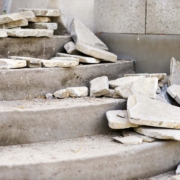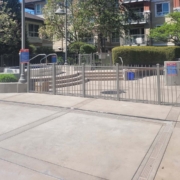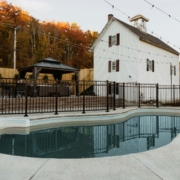
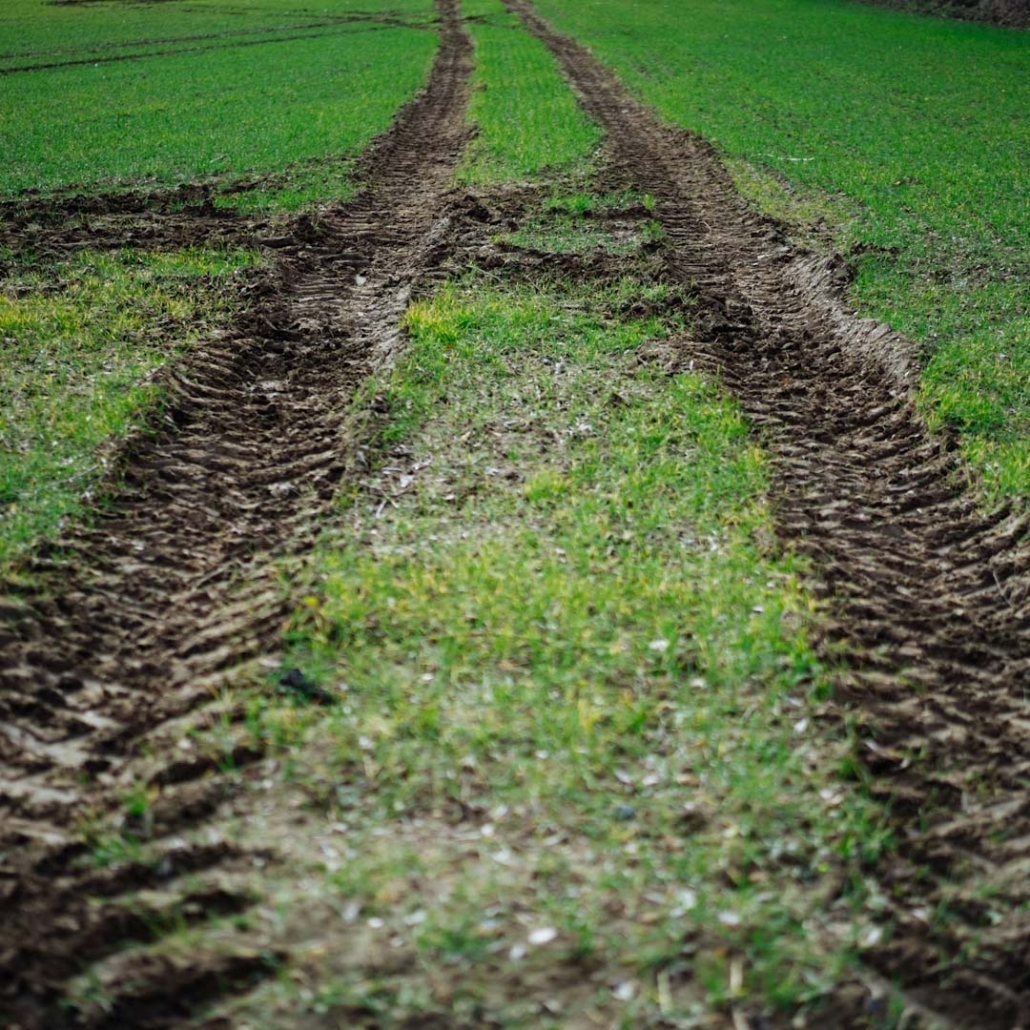
Proper preparation is the most important step in ensuring long-lasting concrete work in Kelowna and the Okanagan. Before concrete is poured, the site must be excavated, graded, compacted, and assessed for drainage.
Rushing preparation often leads to cracking, settling, and premature failure.
Step 1: Site Evaluation and Excavation
Preparation begins with:
- Removing unstable soil
- Establishing proper grade
- Ensuring adequate depth
Sloped properties may require coordination with engineered retaining wall systems before concrete installation begins.
Step 2: Base Preparation and Compaction
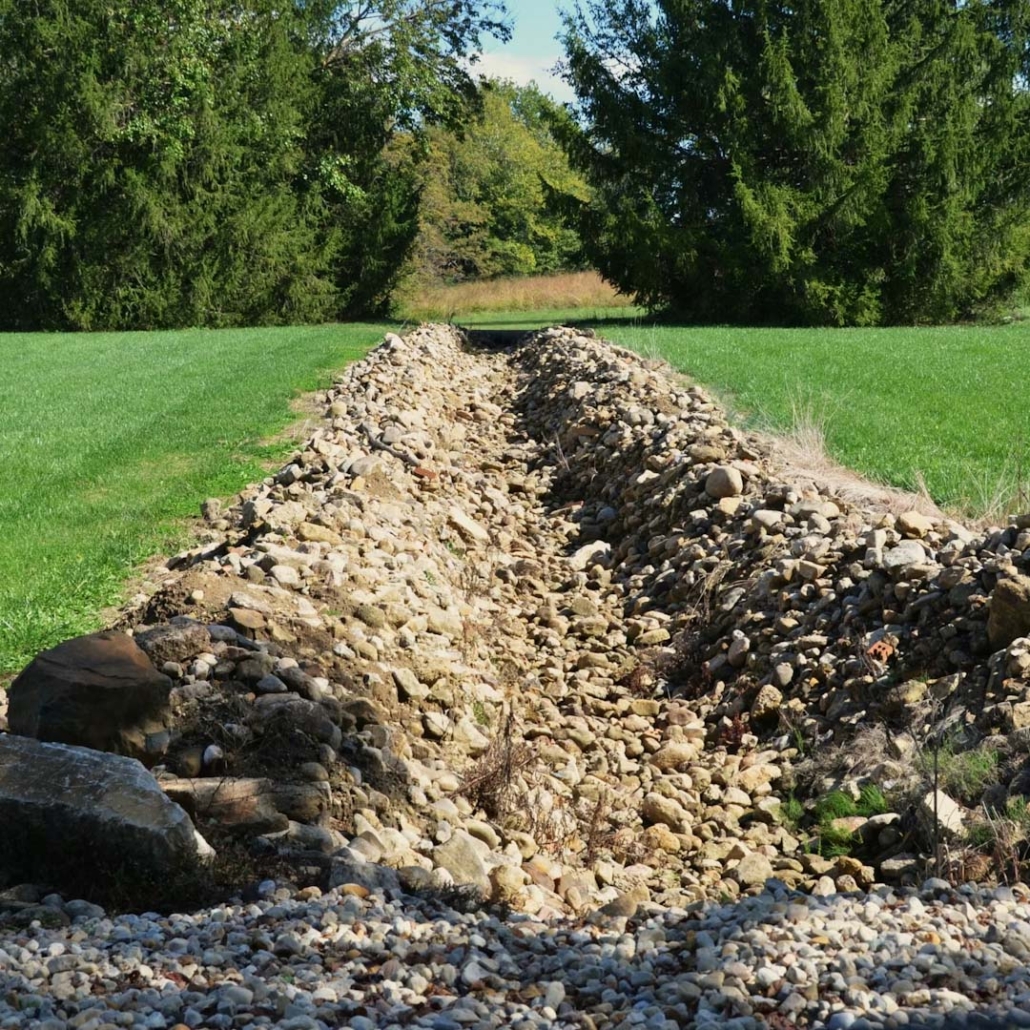
Concrete is only as strong as the base beneath it.
This includes:
- Compacted granular material
- Moisture control
- Proper slope for drainage
In the Okanagan’s mixed soil conditions, this step is critical.
Step 3: Weather Considerations
Concrete installation must account for:
- Temperature fluctuations
- Early spring frost risk
- Summer heat curing conditions
Proper timing improves durability.
Step 4: Access and Equipment Planning
Hillside and narrow-lot properties may require:
- Specialized equipment
- Concrete pumping
- Additional staging preparation
Planning ahead reduces installation delays.
Common Mistakes to Avoid
- Pouring without proper compaction
- Ignoring drainage
- Skipping expansion joints
- Underestimating cure time
Concrete work is permanent — preparation determines performance.
Frequently Asked Questions
How long should the base be compacted before pouring concrete?
Compaction should meet industry standards and be verified before pouring.
Can concrete be poured in cold weather?
Yes, but precautions must be taken to protect curing.
Does slope affect concrete durability?
Yes, improper drainage increases risk of cracking.
Should retaining walls be installed before concrete?
Yes, structural walls typically come first in phased projects.