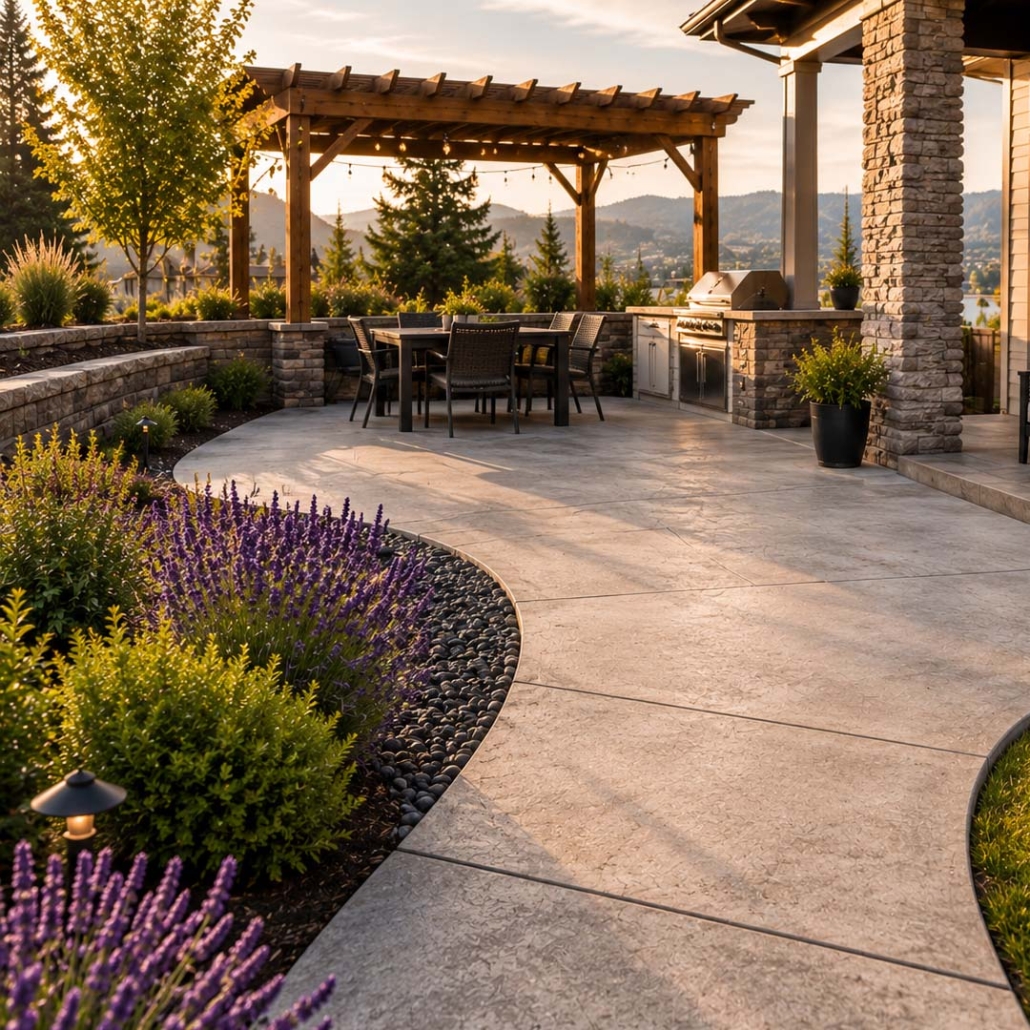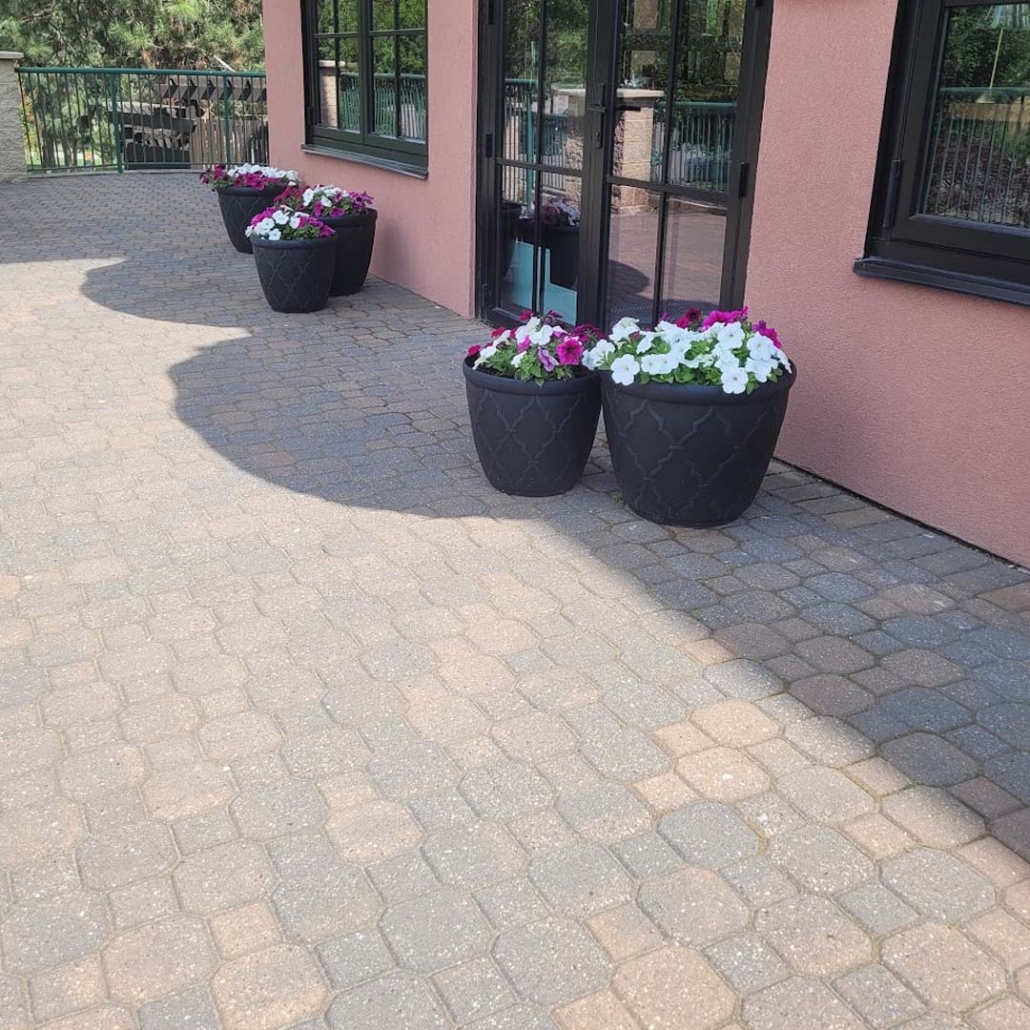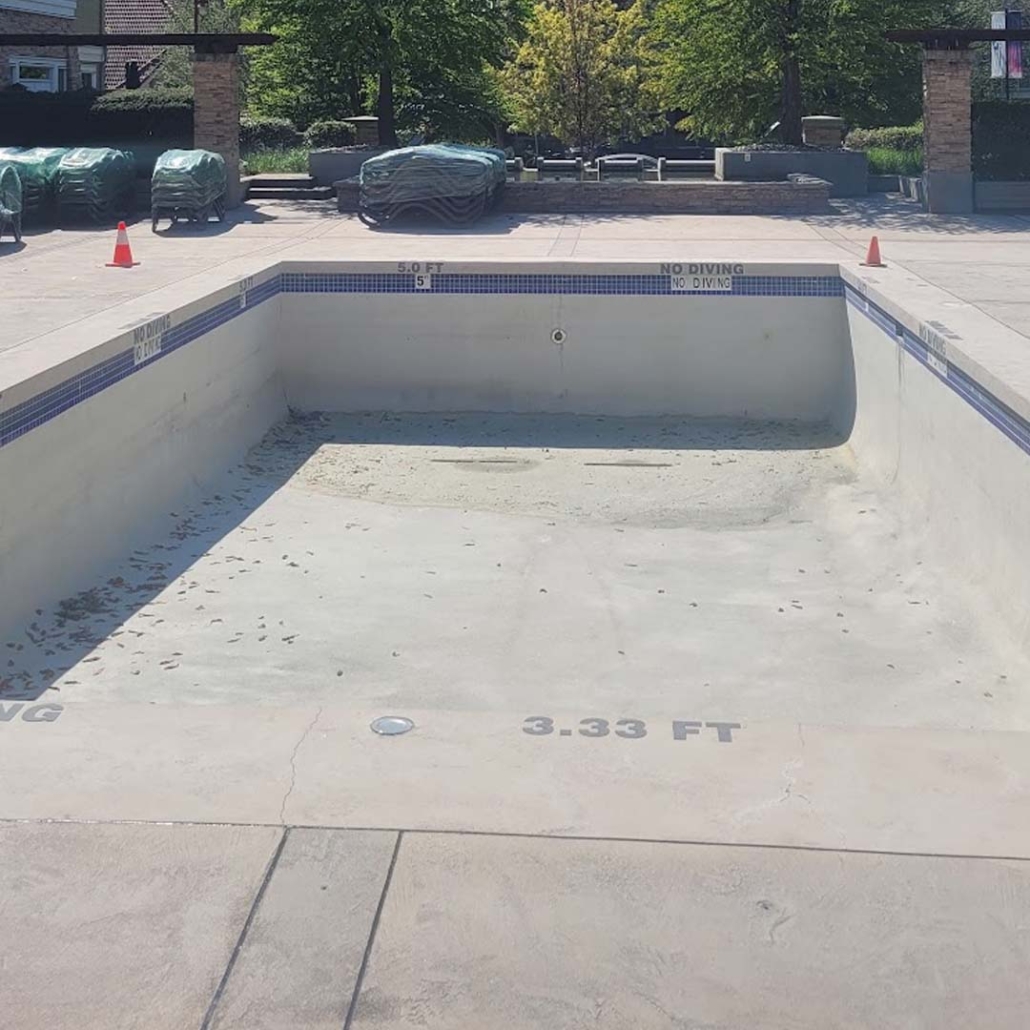
Choosing between a concrete patio and paving stones is one of the most common decisions homeowners face when planning outdoor upgrades in Kelowna and throughout the Okanagan. Both options can create attractive and functional outdoor spaces, but each comes with different long-term considerations related to durability, maintenance, cost, and climate performance.

Understanding how these materials perform in Okanagan conditions helps homeowners make better long-term investments.

pavers vs concrete

Why Climate Matters in the Okanagan

Outdoor surfaces in Kelowna are exposed to:

  • Freeze and thaw cycles
  • Intense summer heat
  • Snow removal and de-icing products
  • Soil movement on sloped properties

These conditions affect how patio materials age over time.

Benefits of Concrete Patios

Concrete patios remain one of the most popular options for Okanagan homeowners because they offer:

  • Long-term durability
  • Lower maintenance requirements
  • Clean and modern appearance
  • Cost-effective installation for larger areas

Modern finishing techniques also allow for:

  • Decorative concrete finishes
  • Exposed aggregate
  • Broom finishes
  • Stamped concrete textures

Concrete works especially well for contemporary outdoor living spaces.

Benefits of Paving Stones

Paving stones offer flexibility and design variety.

Benefits include:

  • Easier spot repairs
  • Wide selection of colors and patterns
  • Traditional aesthetic appeal
  • Flexibility in curved layouts

However, paving stone installations require proper base preparation to prevent shifting and settling over time.

Maintenance Differences

Concrete typically requires:

  • Occasional cleaning
  • Joint sealing in some applications

Paving stones may require:

  • Weed control between joints
  • Re-leveling over time
  • Joint sand replacement

Long-term maintenance expectations should be considered before choosing materials.

Slope and Drainage Considerations

Many Kelowna properties include hillsides and grade changes that affect patio construction.

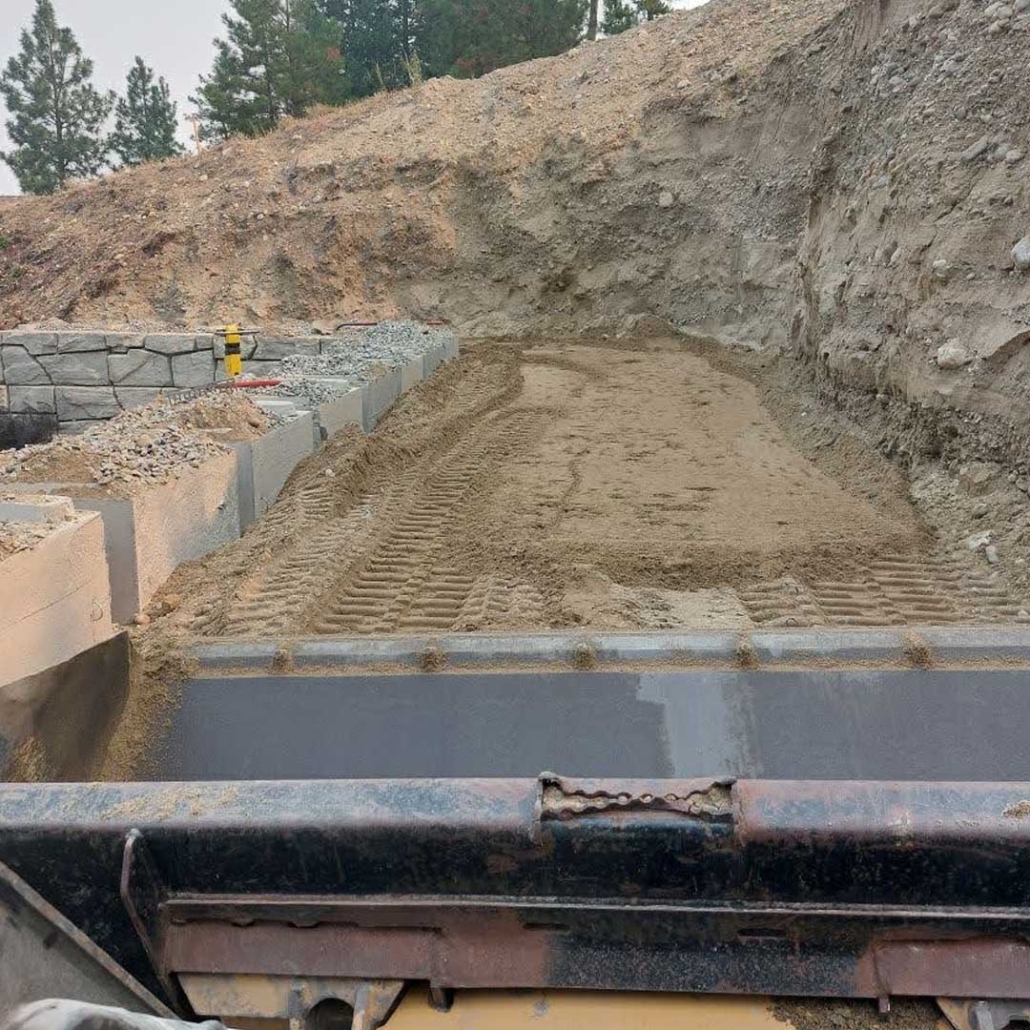
Some projects require retaining wall systems for sloped outdoor spaces before patio installation can begin safely and properly.

Drainage planning is critical regardless of the surface material selected.

Which Option Is Better for Your Property?

The right choice depends on:

  • Budget
  • Property slope
  • Desired appearance
  • Long-term maintenance expectations
  • Outdoor living goals

For many homeowners, concrete provides the best combination of durability and simplicity in the Okanagan climate. Get in touch to learn more or get a quote!

Frequently Asked Questions

Is concrete cheaper than paving stones in Kelowna?
Concrete is often more cost-effective for larger patio areas.

Do paving stones shift over time?
Without proper base preparation, they can settle or move.

Can decorative concrete crack?
All concrete may develop minor cracking over time, but proper installation minimizes risk.

Do patios require drainage planning?
Yes. Drainage is essential for long-term performance and surface stability.

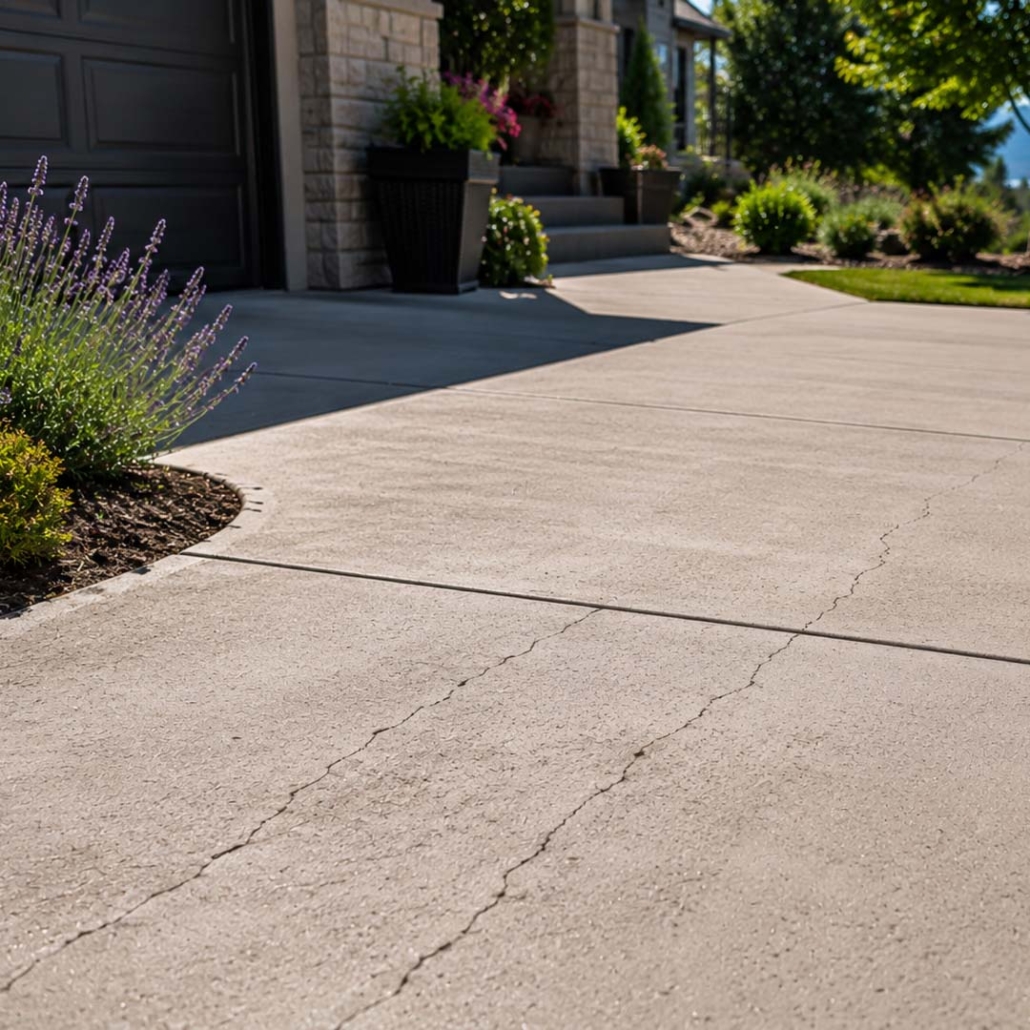
Concrete cracking is one of the most common concerns homeowners have when installing driveways, patios, walkways, and slabs in Kelowna and throughout the Okanagan. While some minor cracking can occur naturally over time, larger or premature cracks are often caused by improper preparation, drainage issues, or environmental stress.

Understanding why concrete cracks helps homeowners and builders protect long-term performance and appearance.

causes of concrete cracking

Freeze and Thaw Cycles

The Okanagan climate experiences significant temperature swings throughout the year. Water can enter small surface openings, freeze during colder temperatures, and expand.

Over time, this freeze-thaw process places stress on the concrete and can lead to cracking if the installation was not properly prepared.

Poor Base Preparation

Concrete is only as stable as the base underneath it.

Improper compaction or unstable soil conditions may lead to:

  • Settling
  • Surface movement
  • Uneven stress distribution

This is especially important on hillside and fill-area properties common throughout Kelowna and West Kelowna.

Drainage Problems

Water is one of the biggest threats to concrete durability.

Without proper grading and runoff control:

  • Water may pool beneath slabs
  • Soil erosion may occur
  • Freeze-thaw damage increases

Some properties require retaining walls and structural grading solutions to properly manage drainage before concrete work begins.

Lack of Control Joints

Control joints help guide natural concrete movement and reduce visible cracking.

Without properly spaced joints, stress can build unpredictably across the slab surface.

Heavy Loads and Thickness Issues

Concrete surfaces must be designed for their intended use.

Driveways and pads supporting:

  • RVs
  • Boats
  • Heavy vehicles
  • Equipment

may require additional reinforcement and thickness specifications.

Can Concrete Cracking Be Prevented Completely?

No concrete surface is completely immune to minor cracking over time. However, professional installation, proper drainage, base preparation, and climate-aware construction methods significantly reduce the likelihood of serious problems.

Why Proper Installation Matters

Long-lasting concrete depends on:

  • Excavation quality
  • Compaction
  • Drainage planning
  • Reinforcement
  • Proper curing conditions

Shortcuts during preparation often create expensive issues later.

Get in touch for a free quote or to learn more!

Frequently Asked Questions

Is some concrete cracking normal?
Minor surface cracking can occur naturally over time, especially in changing climates.

Does cold weather damage concrete?
Improper curing during cold weather can weaken concrete performance.

Can drainage problems crack concrete?
Yes. Poor drainage is one of the leading causes of shifting and cracking.

Should concrete be sealed in the Okanagan?
Sealing can help protect surfaces from moisture and environmental exposure.

Concrete flatwork plays a critical role in new residential builds throughout Kelowna and the Okanagan. Proper coordination with grading, retaining walls, and foundation work ensures long-term durability and inspection readiness.

For builders, sequencing matters.

What Is Concrete Flatwork?

Flatwork includes:

  • Driveways
  • Sidewalks
  • Garage slabs
  • Patios
  • Basement slabs

Each application requires correct base preparation and load considerations.

Coordination With Retaining Systems

On sloped lots, flatwork must integrate with structural retaining wall systems for grade transitions to prevent settlement and movement.

Failure to coordinate these elements often leads to cracking and misalignment.

Base Preparation and Compaction

Okanagan soil varies significantly. Proper base work includes:

  • Excavation depth verification
  • Compacted granular base
  • Moisture control
  • Drainage planning

Skipping these steps compromises long-term performance.

Scheduling and Trade Coordination

Concrete flatwork should be scheduled after:

  • Structural walls
  • Underground services
  • Major grading

Proper sequencing prevents delays and rework.

Inspection and Long-Term Performance

Builders benefit from:

  • Engineered compliance
  • Clean integration with foundations
  • Reduced warranty issues

Well-installed flatwork protects both the builder’s reputation and homeowner’s investment. Contact us if you’re looking for concrete work in Kelowna!

Frequently Asked Questions

When should flatwork be installed during a new build?
After the structural and grading work is complete.

Does slope affect flatwork installation?
Yes, especially regarding drainage and settlement.

Is engineering required for residential flatwork?
Typically for load-bearing applications or complex sites.

How long should concrete cure before use?
Initial curing occurs quickly, with full strength developing over time.

Proper preparation is the most important step in ensuring long-lasting concrete work in Kelowna and the Okanagan. Before concrete is poured, the site must be excavated, graded, compacted, and assessed for drainage.

Rushing preparation often leads to cracking, settling, and premature failure.

Step 1: Site Evaluation and Excavation

Preparation begins with:

  • Removing unstable soil
  • Establishing proper grade
  • Ensuring adequate depth

Sloped properties may require coordination with engineered retaining wall systems before concrete installation begins.

Step 2: Base Preparation and Compaction

Preparing Your Property for Concrete Work in the Okanagan Climate

Concrete is only as strong as the base beneath it.

This includes:

  • Compacted granular material
  • Moisture control
  • Proper slope for drainage

In the Okanagan’s mixed soil conditions, this step is critical.

Step 3: Weather Considerations

Concrete installation must account for:

  • Temperature fluctuations
  • Early spring frost risk
  • Summer heat curing conditions

Proper timing improves durability.

Step 4: Access and Equipment Planning

Hillside and narrow-lot properties may require:

  • Specialized equipment
  • Concrete pumping
  • Additional staging preparation

Planning ahead reduces installation delays.

Common Mistakes to Avoid

  • Pouring without proper compaction
  • Ignoring drainage
  • Skipping expansion joints
  • Underestimating cure time

Concrete work is permanent — preparation determines performance.

Frequently Asked Questions

How long should the base be compacted before pouring concrete?
Compaction should meet industry standards and be verified before pouring.

Can concrete be poured in cold weather?
Yes, but precautions must be taken to protect curing.

Does slope affect concrete durability?
Yes, improper drainage increases risk of cracking.

Should retaining walls be installed before concrete?
Yes, structural walls typically come first in phased projects.

As summer winds down and cooler temperatures settle into the Okanagan, September is the ideal time to give your concrete surfaces the care they need. Whether you have a newly poured driveway, a decorative patio, or retaining walls, proper seasonal maintenance will help protect your investment and keep your concrete looking its best year-round.

Why Fall Maintenance Matters

Concrete is durable, but it isn’t indestructible. Shifting temperatures, excess moisture, and the freeze-thaw cycle in the coming months can take a toll. Small cracks or surface damage now can quickly become bigger issues once winter arrives. By taking preventative steps in September, you can extend the life of your concrete and avoid costly repairs later.

Steps to Protect Your Concrete This Fall

  • Inspect for cracks or wear
    Walk around your property and check for any cracks, chips, or uneven areas. Even small flaws can allow water to seep in and expand when frozen.
  • Seal your surfaces
    A high-quality sealer adds a protective layer against moisture, stains, and de-icing salts. Fall is a perfect time to reseal driveways, patios, and walkways.
  • Keep it clean
    Remove dirt, leaves, and organic material that can break down and stain the surface. A quick pressure wash goes a long way in preparing concrete for winter.
  • Check your drainage
    Make sure water is flowing away from concrete areas to reduce pooling and the risk of freeze-thaw damage.
  • Schedule professional service
    If you notice larger cracks, spalling, or sinking concrete, our team at Fuller’s Concrete Division can provide repair and restoration solutions tailored to your property.

Why Choose Fuller’s Concrete Division

At Fuller’s, we specialize in building and maintaining long-lasting concrete features for homes and businesses throughout Kelowna and the Okanagan. From decorative patios and retaining walls to driveways and walkways, our work is designed to stand up to the seasons. With our experience, tools, and attention to detail, you can rest assured that your concrete will be ready for whatever fall and winter bring.

Book Your Fall Concrete Service Today

Don’t wait until the first frost to address potential concrete issues. Contact Fuller’s Concrete Division this September to schedule maintenance, sealing, or repairs. We’ll help protect your investment so your concrete looks great for years to come.

Frequently Asked Questions About Fall Concrete Care

fall concrete company okanagan

How often should I reseal my driveway?
Most concrete driveways benefit from resealing every 2–3 years. However, high-traffic areas or surfaces exposed to heavy weather conditions may need sealing more frequently.

Can I pour new concrete in the fall?
Yes, fall is still a good time for concrete installation in the Okanagan as long as temperatures stay above freezing. With the right curing process and professional handling, your new concrete will set properly.

What happens if I don’t seal my concrete before winter?
Unsealed concrete is more likely to absorb water, which can freeze and expand, leading to cracks, spalling, or surface damage over time. Sealing adds a protective barrier that helps prevent this.

Is it too late to repair cracks in September?
Not at all. Early fall is an excellent time to address cracks before water and freezing temperatures make them worse. Filling and sealing now can save you bigger repair bills in the spring.

What type of sealer works best for driveways and patios?
A penetrating sealer is typically best for driveways and walkways, as it absorbs into the concrete and protects against moisture. Decorative patios may benefit from a topical sealer that enhances appearance as well as durability.

Kelowna’s concrete season moves fast, especially once September rolls around. While it might seem like things are winding down after a busy summer, late August is actually the perfect time to start planning your fall concrete project. Whether you’re upgrading a strata patio, replacing an old driveway, or prepping for a hot tub install, Fuller’s Concrete Division is ready to help you take advantage of the season’s best conditions before the ground freezes and contractor schedules fill up.

Why Timing Matters for Concrete in Kelowna

As fall approaches, cooler nights and dry weather provide ideal conditions for concrete to cure properly. Unlike the scorching July sun, which can dry out a surface too quickly, late summer’s moderate temperatures reduce the risk of cracking and surface imperfections. That means a stronger, longer-lasting result and less hassle down the road.

Planning your project now also ensures that the work gets done before Kelowna’s frost line becomes an issue. Frozen ground, wet conditions, and early snow can delay or even derail outdoor work. Getting a jump on things in August or early September means your patio, walkway, or driveway will be set, sealed, and ready for whatever winter brings.

Strata-Friendly Concrete Patios in Kelowna

At Fuller’s, we’re seeing a growing number of inquiries from strata complexes throughout Kelowna. Fall is a great time to install or replace shared-use patios and walkways with safe, attractive concrete that withstands high traffic and freeze-thaw cycles. We offer low-maintenance finishes that are easy to shovel, won’t track mud indoors, and enhance common areas, all while respecting strata schedules and bylaws.

Whether you’re on a strata council or a homeowner looking to make a suggestion, we’re happy to meet on-site, assess the space, and provide a quote that works for your group.

The Most Popular Concrete Projects for Fall

Wondering what kind of concrete work is best to tackle this time of year? Here are some of our most requested fall installations:

  • Driveway replacements – Broom or exposed aggregate finishes that stay safe and stylish through snow and slush.
  • Patios – Fall firepit nights and early spring lounging start with proper site prep now.
  • Retaining walls – Prevent erosion and water damage before winter rains arrive.
  • Walkways and stairs – Improve curb appeal and safety before things get icy.
  • Concrete pads – For sheds, hot tubs, or future outdoor kitchens – pour now, install later.

Kelowna Concrete Finishes That Stand Up to the Seasons

Not sure what type of finish is right for your property? Our team recommends:

  • Broom Finish – Ideal for driveways and walkways thanks to its grip and durability.
  • Exposed Aggregate – Textured, stylish, and built for Okanagan winters.
  • Stamped Concrete – Sealed properly and poured before the freeze, it adds beauty and function.

Beat the Spring Rush by Prepping in the Fall

Here’s the reality: if you want to enjoy a brand-new outdoor space in April, you need to start planning by August. Booking now allows for proper site evaluation, grading, and forming, so when spring hits, your project is already a step ahead.

And if you’re selling your home this winter or spring? A fresh concrete driveway or entrance adds immediate value and curb appeal.

What It’s Like Working With Fuller’s Concrete Division

We aren’t just another concrete contractor. At Fuller’s, we bring over a decade of local expertise to every job, with services that include:

  • On-site consultation and estimates
  • Proper grading and drainage setup
  • Strata and residential-friendly crew coordination
  • Concrete forming, pouring, finishing, and sealing
  • Honest timelines, clean worksites, and lasting results

We understand Kelowna’s shifting soils, high summer temps, and wet fall weather, and we build every project to handle it all.

Let’s Talk About Your Project

If you’ve been thinking about a new patio, driveway, or retaining wall, now’s the time to act. Our schedule fills fast once fall hits, and material costs aren’t getting any cheaper.

Get in touch with Fuller’s Landscaping Concrete Division today to book your free consultation. Let’s make sure your space is ready for fall bonfires, winter weather, and everything after.

Contact us now to reserve your spot.

Frequently Asked Questions – Kelowna Concrete Projects (Fall & Late Summer)

Q: When is the best time to pour concrete in Kelowna?

A: Late summer to early fall is ideal for concrete work in Kelowna. The weather is warm enough for proper curing but cool enough to avoid rapid drying and cracking. Planning your project now helps you avoid frost delays and the packed spring construction season.

Q: Can I install a concrete patio at my strata property in Kelowna?

A: Yes. Fuller’s works with strata councils and property managers across Kelowna to install durable, low-maintenance concrete patios and walkways. We’re familiar with strata guidelines and ensure the process is smooth and compliant.

Q: How long does it take to install a new concrete driveway?

A: Most driveway installations take 3–5 days from site prep to final finish, depending on weather and complexity. We always aim to minimize disruption and provide accurate timelines during your consultation.

Q: What type of concrete finish is best for winter in Kelowna?

A: Broom finish and exposed aggregate are excellent for fall and winter. Both provide traction for snowy and icy conditions, while being easy to maintain and resistant to freeze-thaw cycles.

Q: Can I pour concrete after the first frost in Kelowna?

A: It’s possible, but not ideal. Cold temperatures complicate curing and can reduce the long-term durability of your concrete. We recommend scheduling your project before the end of October to avoid these risks.

Q: Does Fuller’s offer free consultations for concrete work?

A: Yes. We offer free, no-obligation site consultations for homeowners, builders, and strata groups. Our team will assess your site, recommend the best options, and provide a clear estimate.

Q: Is it cheaper to do concrete work in the fall versus spring?

A: Fall often comes with better scheduling availability and fewer delays. Material costs can fluctuate, but avoiding the spring rush can save time and prevent unexpected increases in labour or supply.

Q: What should I do to prepare my property for a concrete project?

A: Our team handles most of the prep, including site grading and drainage planning. Before we arrive, it’s helpful to clear the work area of furniture, planters, and any underground services that could be affected.

Get a Head Start Before the Ground Freezes and Schedules Fill Up

Kelowna summers are busy – patios are full, projects are in motion, and concrete is curing across the Okanagan. But what many homeowners don’t realize is that late summer and early fall are some of the best times to start planning your next concrete project. Whether you’re thinking about replacing a worn-out driveway, adding a new patio, or upgrading a walkway or retaining wall, acting now ensures you beat the fall rush and avoid spring delays.

At Fuller’s Landscape Concrete Division, we help Kelowna property owners build better outdoor spaces with expert site prep, proper timing, and quality finishes that last through all four seasons.

Why Plan Concrete Work in Late Summer?

1. Ideal Weather for Pouring Concrete
Kelowna’s warm-but-cooling August and September weather allows for better curing conditions. Extreme heat in July can lead to surface cracking if not managed properly, while cooler fall temps help concrete set more evenly.

2. Get Ahead of the Frost
Once frost hits, outdoor pours become more complicated, especially for exposed aggregate or decorative finishes. If you start now, you’ll be done before the freeze-thaw cycle kicks in — avoiding long-term damage or extra costs.

3. More Availability and Faster Scheduling
By late summer, many homeowners have completed their early-season projects. That means shorter lead times, more flexible scheduling, and often a quicker turnaround for fall installs.

4. Boost Curb Appeal Before Winter
Whether you’re planning to sell or simply want a cleaner look for the rainy season, fall is your last chance to upgrade curb-facing features like driveways and walkways before winter arrives.

Popular Concrete Projects to Book Before Fall

concrete services in Kelowna

We’re often asked which projects make the most sense to tackle in late summer or fall. These are some of the most requested:

  • New Driveway Installations – Fresh, slip-resistant finishes like broom or exposed aggregate.
  • Patio Additions or Extensions – Perfect for fall firepit nights or planning ahead for spring.
  • Retaining Walls & Borders – Stabilize slopes before heavy winter rains.
  • Walkways & Stairs – Improve safety and drainage before freeze-up.
  • Concrete Pads for Hot Tubs or Sheds – Prep now, install later.

Choosing the Right Finish for Fall & Winter Durability

Not all concrete finishes perform the same in Kelowna’s climate. For late-season projects, we often recommend:

  • Broom Finish – Provides excellent grip and holds up well to snow shovels and de-icing.
  • Exposed Aggregate – Textured surface adds traction while resisting weather wear.
  • Stamped Concrete with Sealant – If done before October, this finish can cure in time for winter with the right sealing.

Planning Now = Smoother Spring Projects

Want a new patio ready for spring BBQs? You’ll save time and stress by doing the groundwork in the fall, from grading to forming. Pouring concrete in September or October also means less mud and mess, since your landscaping is already well-established from summer growth.

What to Expect from Fuller’s Concrete Team

When you work with Fuller’s, you’re getting more than a pour-and-go contractor. We handle:

  • Site evaluation & proper prep
  • Drainage and slope adjustments
  • Permit guidance if required
  • Custom finish recommendations
  • Clean, efficient execution with minimal disruption

We don’t cut corners, especially when it comes to Kelowna’s shifting soils and seasonal challenges. Every job is built to last.

Book Your Fall Project Consultation Today

If you’re considering a concrete project this year, late summer is your window to get it done right. Don’t wait until spring when contractor schedules are already packed and materials may cost more.

Let’s get your space ready for whatever’s next — from fall bonfires to winter snowfall to spring curb appeal.

Contact Fuller’s Landscaping Concrete Division now to schedule your free site consultation and see why we’re Kelowna’s trusted choice for concrete driveways, patios, walkways, and more.

Concrete is more than just a building material — it’s a design element that can boost your home’s curb appeal, functionality, and resale value. Whether you’re installing a new driveway, patio, walkway, or retaining wall, choosing the right finish plays a big role in the final look and performance.

At Fuller’s Landscaping Concrete Division, we help Kelowna homeowners make smart decisions that match their goals, budget, and the Okanagan climate. Here’s what to consider when selecting a concrete finish for your next project.

Common Concrete Finishes for Residential Projects

1. Broom Finish
A tried-and-true classic. This method creates a light texture using a broom dragged over freshly poured concrete, leaving a clean, slip-resistant surface.

  • Best for: Driveways, walkways, stairs
  • Advantages: Affordable, quick to install, low maintenance
  • Appearance: Subtle texture with a clean, uniform look

2. Exposed Aggregate
Ideal for a textured, decorative finish that holds up well in high-traffic areas. This technique exposes the natural stones in the concrete mix, offering grip and visual interest.

  • Best for: Driveways, pool decks, patios
  • Advantages: Durable, weather-resistant, great for traction
  • Appearance: Pebbled surface with colour and texture variation

3. Stamped Concrete
Stamped concrete mimics high-end materials like stone, brick, slate, or wood. Great for those wanting a custom aesthetic without the high price tag of natural materials.

  • Best for: Patios, courtyards, feature walkways
  • Advantages: Customizable patterns and colours
  • Appearance: Rich, detailed designs tailored to your space

4. Smooth (Trowel) Finish
This finish is sleek and polished, often used in covered or decorative areas where slip resistance is less of a concern.

  • Best for: Interior spaces, garage floors, or accent borders
  • Advantages: Smooth surface, modern look
  • Appearance: Clean and minimalist

5. Stained Concrete
Staining adds depth and rich colour to plain concrete surfaces. Available in earthy tones and bold hues, it can complement any home style.

  • Best for: Patios, entryways, decorative borders
  • Advantages: Visually appealing, UV-resistant when sealed
  • Appearance: Semi-transparent colour with natural variation

How to Choose the Right Finish for Your Kelowna Home

When selecting a finish, consider these key factors:

  • Functionality: High-traffic areas like driveways benefit from broom or exposed aggregate finishes for added grip.
  • Style Goals: Stamped or stained concrete works well if you’re aiming to replicate natural stone or add a custom design element.
  • Maintenance: Basic broom finishes require little upkeep, while stamped and stained options may need sealing and occasional resealing.
  • Weather Exposure: Kelowna’s freeze-thaw cycles, UV intensity, and seasonal changes should influence your choice. Textured finishes often hold up better outdoors.

What Does Each Finish Cost in 2025?

Finish TypeEstimated Cost per Sq. Ft. (2025)
Broom Finish$12 – $15
Exposed Aggregate$18 – $25
Stamped Concrete$20 – $30+
Smooth/Trowel Finish$14 – $18
Stained Concrete$16 – $25+

Keep in mind that site access, demolition needs, and grading can also affect total cost.

Expert Advice from Fuller’s

If you’re unsure where to start, we often recommend:

  • Broom Finish for affordability and year-round traction on driveways and sidewalks.
  • Exposed Aggregate when durability and visual texture matter, especially in outdoor spaces.
  • Stamped Concrete for patios or courtyards where aesthetics and layout are the focus.
  • Staining or Borders as a way to elevate basic finishes with custom accents.

We work closely with every client to balance style, function, and budget.

Ready to Choose Your Finish?

The right concrete finish can elevate the look and feel of your entire property. Whether you’re refreshing an older surface or starting from scratch, the team at Fuller’s Landscaping Concrete Division is here to guide you through the options and deliver lasting results.

Contact us today to schedule your free on-site consultation and see why homeowners across Kelowna trust Fuller’s for quality concrete work.

Planning a concrete project is an exciting step toward improving your property’s appearance and functionality. Whether you’re thinking about a new driveway, patio, walkway, or retaining wall, it’s important to understand the factors that influence the cost of concrete work in Kelowna.

At Fuller’s Landscaping Concrete Division, we believe in helping homeowners make informed decisions.

Here’s what you should know about budgeting for your project in 2025.

Key Factors That Affect Concrete Project Costs

  1. Project Size and Thickness
  • Square Footage: Larger projects naturally require more materials and labour, which increases the overall cost.
  • Slab Thickness: Standard residential concrete slabs are typically 4 inches thick, but areas like driveways that must support vehicle traffic might require thicker slabs, adding to material costs.
  1. Site Preparation Needs
  • Grading and Excavation: Before pouring concrete, the site must be properly prepared. This can include clearing vegetation, removing old materials, grading the area, and compacting the soil.
  • Demolition and Removal: If there’s existing concrete, asphalt, or structures that need to be removed, this will add to the total cost.
  1. Concrete Finish and Design
  • Standard Broom Finish: A basic, brushed surface finish is the most cost-effective option.
  • Stamped or Stained Concrete: Decorative finishes such as stamping, staining, exposed aggregate, or broom-and-border combinations add beauty but also increase material and labour costs.
  • Custom Features: Adding borders, custom colours, inlays, or complex patterns will further increase the price.
  1. Site Access and Conditions
  • Accessibility: If your project site is difficult to access (e.g., tight backyard spaces or sloped lots), it may require special equipment or additional labour.
  • Ground Conditions: Poor soil quality, drainage issues, or the need for additional sub-base materials can also influence costs.
  1. Material and Labour Costs in 2025
  • Material Pricing: The cost of concrete, reinforcement materials (like rebar or mesh), and finishing products can fluctuate based on market conditions.
  • Skilled Labour: Investing in experienced, professional installers like Fuller’s Landscaping ensures a long-lasting result, but it is a factor to consider in your budget.

What Homeowners Can Expect as far as Cost of Concrete Projects in Kelowna

As of 2025, basic concrete projects in Kelowna typically range from $12 to $18 per square foot for standard finishes. Decorative or complex projects (like stamped patios or exposed aggregate driveways) can range from $20 to $30+ per square foot, depending on design complexity and customization.

Every project is unique, and the best way to get an accurate cost is to schedule a personalized consultation.

Why Transparency Matters when Discussing Cost of Concrete Projects in Kelowna

At Fuller’s Landscaping Concrete Division, we provide clear, detailed estimates with no hidden costs. Our goal is to help you understand your options, work within your budget, and deliver a finished product you’ll be proud of for years to come.

Ready to Start Your Concrete Project?

If you’re considering a concrete project this year, now is the perfect time to start planning. Contact Fuller’s Landscaping Concrete Division today for a free consultation and expert advice tailored to your property and your goals.

Investing in new concrete surfaces is a great way to enhance your property’s curb appeal and functionality. Whether you’ve installed a new driveway, patio, walkway, or retaining wall, proper maintenance is key to ensuring its longevity. In Kelowna, where weather conditions can vary significantly throughout the year, it’s essential to take the right steps to protect your concrete from the elements. Here’s how you can keep your concrete looking and performing its best for years to come.

Curing and Initial Protection

The first few weeks after your concrete is poured are critical for its strength and durability. During this time:

  • Avoid heavy loads and excessive foot traffic to allow the concrete to cure properly.
  • Keep the surface moist by lightly spraying it with water for the first few days, especially in dry conditions.
  • Prevent stains and damage by keeping leaves, dirt, and chemicals off the surface.

Sealing Your Concrete

Applying a high-quality concrete sealer is one of the best ways to protect your investment. Sealing helps prevent moisture penetration, reduces surface wear, and enhances the concrete’s appearance.

When to Seal: Ideally, seal your concrete about 30 days after installation to allow for full curing.

Types of Sealers: Choose from penetrating sealers for long-term durability or film-forming sealers for enhanced surface protection.

Reapplication: Reapply sealer every 2-3 years to maintain protection, especially in high-traffic areas.

Cleaning and Stain Prevention

Regular cleaning helps keep your concrete looking fresh while preventing long-term staining.

Basic Cleaning: Sweep regularly to remove debris and wash the surface with a mild detergent and water.

Oil & Grease Stains: Use an absorbent material like kitty litter followed by a degreasing agent to lift stains.

Moss & Algae: In shaded or damp areas, apply a diluted bleach solution and scrub gently to remove buildup.

how-to-protect-your-new-concrete

Dealing with Seasonal Changes

Kelowna experiences temperature fluctuations that can impact your concrete. Protect it from seasonal stress with these tips:

Freeze-Thaw Cycles: Avoid using de-icing salts, which can cause surface damage; instead, opt for sand for traction.

Crack Prevention: Keep expansion joints clean and filled to minimize cracking during temperature shifts.

Sun Exposure: In hot summer months, prevent surface discoloration by applying a UV-resistant sealer.

Repairing Minor Damage

Even with proper maintenance, small cracks or surface imperfections can develop over time. Address them early to prevent larger issues:

  • Fill small cracks with a concrete patching compound to prevent moisture from seeping in.
  • For larger damage, consult a professional to determine the best repair solution.

Trust Fuller’s Landscaping Concrete Division for Maintenance & Repairs for Concrete in Kelowna

At Fuller’s Landscaping Concrete Division, we specialize in high-quality concrete installations and maintenance. If you need professional sealing, repairs, or expert advice on protecting your concrete, our team is here to help.

Contact us today to schedule a consultation and ensure your concrete remains in top condition for years to come!