
Posts

In the Okanagan’s freeze–thaw climate, concrete consistently outperforms asphalt in terms of durability, lifespan, and long-term value.

While asphalt may have a lower upfront cost, concrete often proves to be the more economical option over time, particularly for homeowners and builders focused on longevity.

How the Okanagan Climate Affects Hard Surfaces

Key environmental factors include:

  • Freeze–thaw cycles
  • Summer heat extremes
  • Snow removal and de-icing practices

These conditions cause asphalt to soften, crack, and degrade more quickly than concrete.

Lifespan Comparison

  • Asphalt driveways: typically 15–20 years
  • Concrete surfaces: often 30+ years with proper installation

Concrete’s rigidity and strength make it better suited for Okanagan conditions.
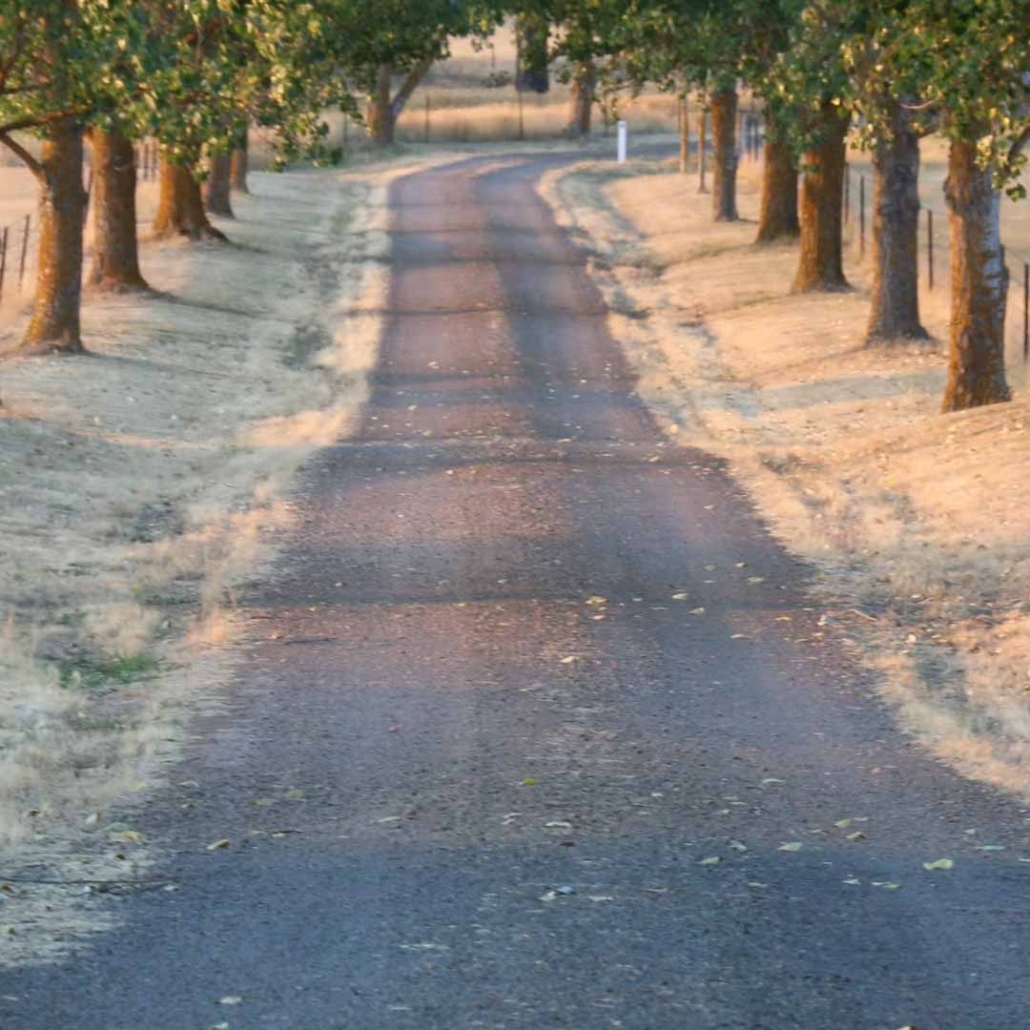
concrete or asphalt driveway pathway

Maintenance Requirements

Asphalt requires:

  • Regular sealing
  • More frequent repairs

Concrete requires:

  • Minimal maintenance
  • Occasional cleaning or sealing

Over time, maintenance costs can narrow or eliminate the initial price difference.

Best Uses for Concrete in Residential Projects

Concrete performs exceptionally well for:

  • Driveways
  • Walkways
  • Patios
  • Pads for structures

In projects involving grade changes or slopes, concrete often works alongside structural retaining wall systems to ensure long-term stability.

Builder Considerations

Builders often choose concrete because it:

  • Meets structural and load requirements
  • Performs well under inspection
  • Integrates cleanly with foundations and walls

Get in touch with us to learn more!

Frequently Asked Questions

Is concrete more expensive than asphalt in Kelowna?
Upfront, yes, but long-term costs are often lower.

Does concrete crack in cold weather?
Properly installed concrete is designed to handle freeze–thaw cycles.

How long before concrete can be used?
Most concrete is ready for light use within days, with full curing over time.

Is concrete suitable for sloped properties?
Yes, when properly designed and supported.
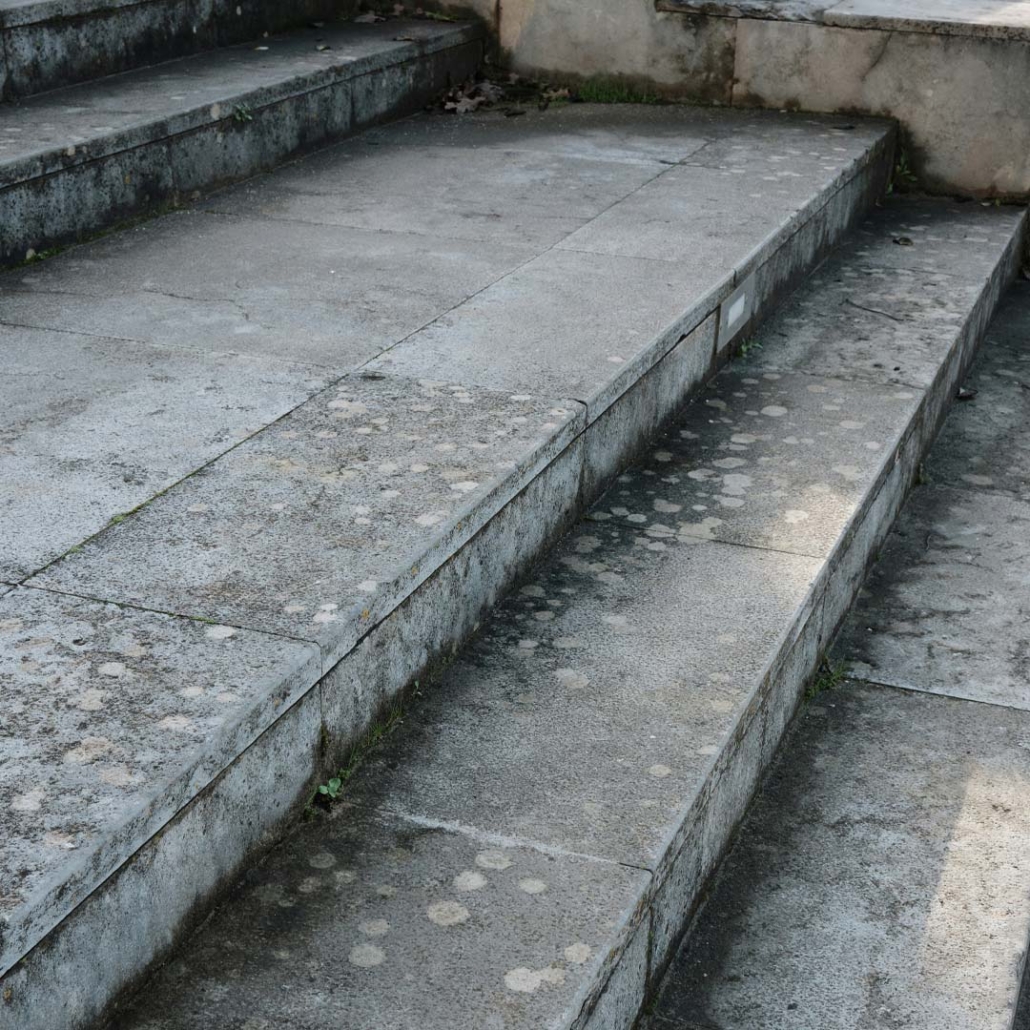
Investing in new concrete surfaces is a great way to enhance your property’s curb appeal and functionality. Whether you’ve installed a new driveway, patio, walkway, or retaining wall, proper maintenance is key to ensuring its longevity. In Kelowna, where weather conditions can vary significantly throughout the year, it’s essential to take the right steps to protect your concrete from the elements. Here’s how you can keep your concrete looking and performing its best for years to come.

Curing and Initial Protection

The first few weeks after your concrete is poured are critical for its strength and durability. During this time:

  • Avoid heavy loads and excessive foot traffic to allow the concrete to cure properly.
  • Keep the surface moist by lightly spraying it with water for the first few days, especially in dry conditions.
  • Prevent stains and damage by keeping leaves, dirt, and chemicals off the surface.

Sealing Your Concrete

Applying a high-quality concrete sealer is one of the best ways to protect your investment. Sealing helps prevent moisture penetration, reduces surface wear, and enhances the concrete’s appearance.

When to Seal: Ideally, seal your concrete about 30 days after installation to allow for full curing.

Types of Sealers: Choose from penetrating sealers for long-term durability or film-forming sealers for enhanced surface protection.

Reapplication: Reapply sealer every 2-3 years to maintain protection, especially in high-traffic areas.

Cleaning and Stain Prevention

Regular cleaning helps keep your concrete looking fresh while preventing long-term staining.

Basic Cleaning: Sweep regularly to remove debris and wash the surface with a mild detergent and water.

Oil & Grease Stains: Use an absorbent material like kitty litter followed by a degreasing agent to lift stains.

Moss & Algae: In shaded or damp areas, apply a diluted bleach solution and scrub gently to remove buildup.

how-to-protect-your-new-concrete

Dealing with Seasonal Changes

Kelowna experiences temperature fluctuations that can impact your concrete. Protect it from seasonal stress with these tips:

Freeze-Thaw Cycles: Avoid using de-icing salts, which can cause surface damage; instead, opt for sand for traction.

Crack Prevention: Keep expansion joints clean and filled to minimize cracking during temperature shifts.

Sun Exposure: In hot summer months, prevent surface discoloration by applying a UV-resistant sealer.

Repairing Minor Damage

Even with proper maintenance, small cracks or surface imperfections can develop over time. Address them early to prevent larger issues:

  • Fill small cracks with a concrete patching compound to prevent moisture from seeping in.
  • For larger damage, consult a professional to determine the best repair solution.

Trust Fuller’s Landscaping Concrete Division for Maintenance & Repairs for Concrete in Kelowna

At Fuller’s Landscaping Concrete Division, we specialize in high-quality concrete installations and maintenance. If you need professional sealing, repairs, or expert advice on protecting your concrete, our team is here to help.

Contact us today to schedule a consultation and ensure your concrete remains in top condition for years to come!